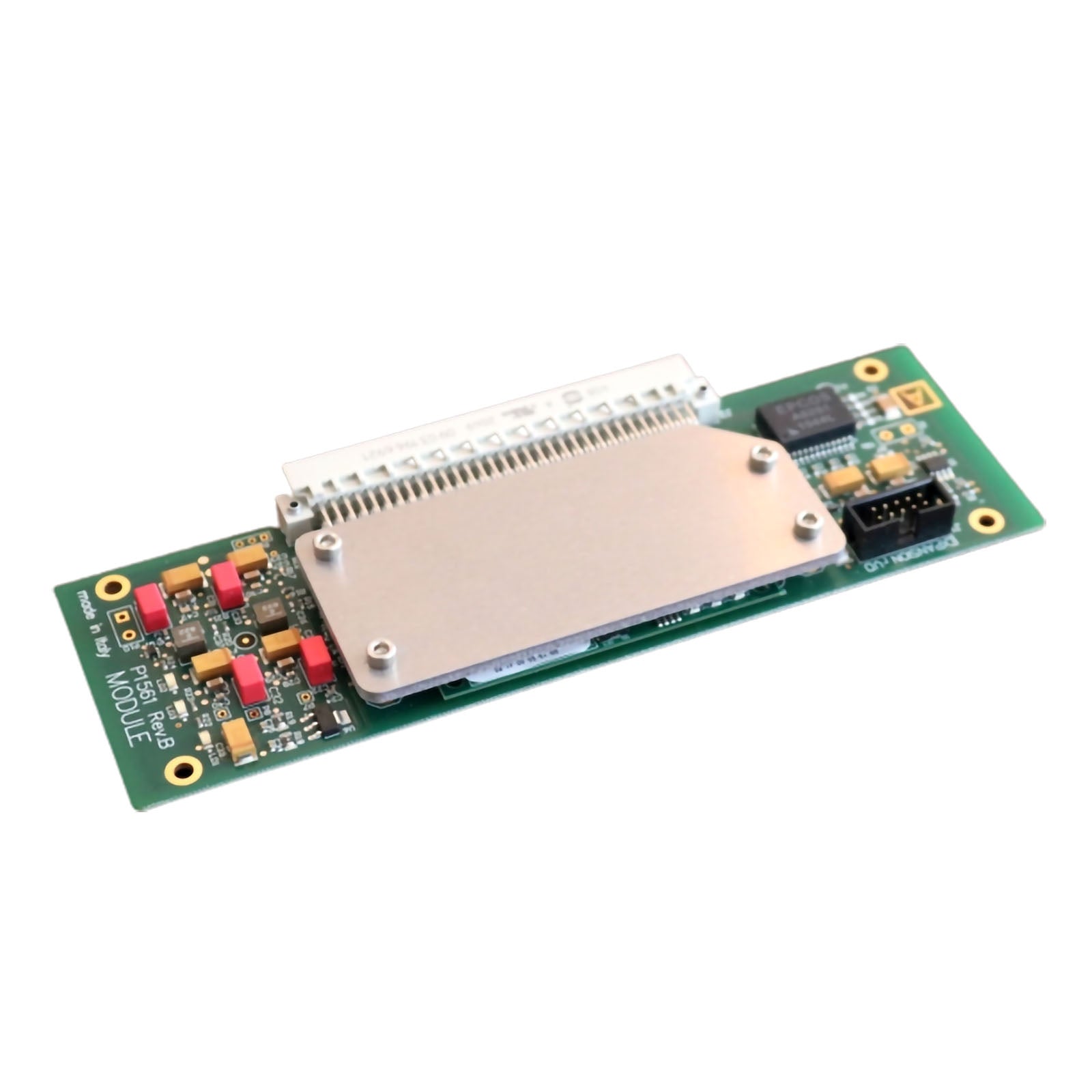
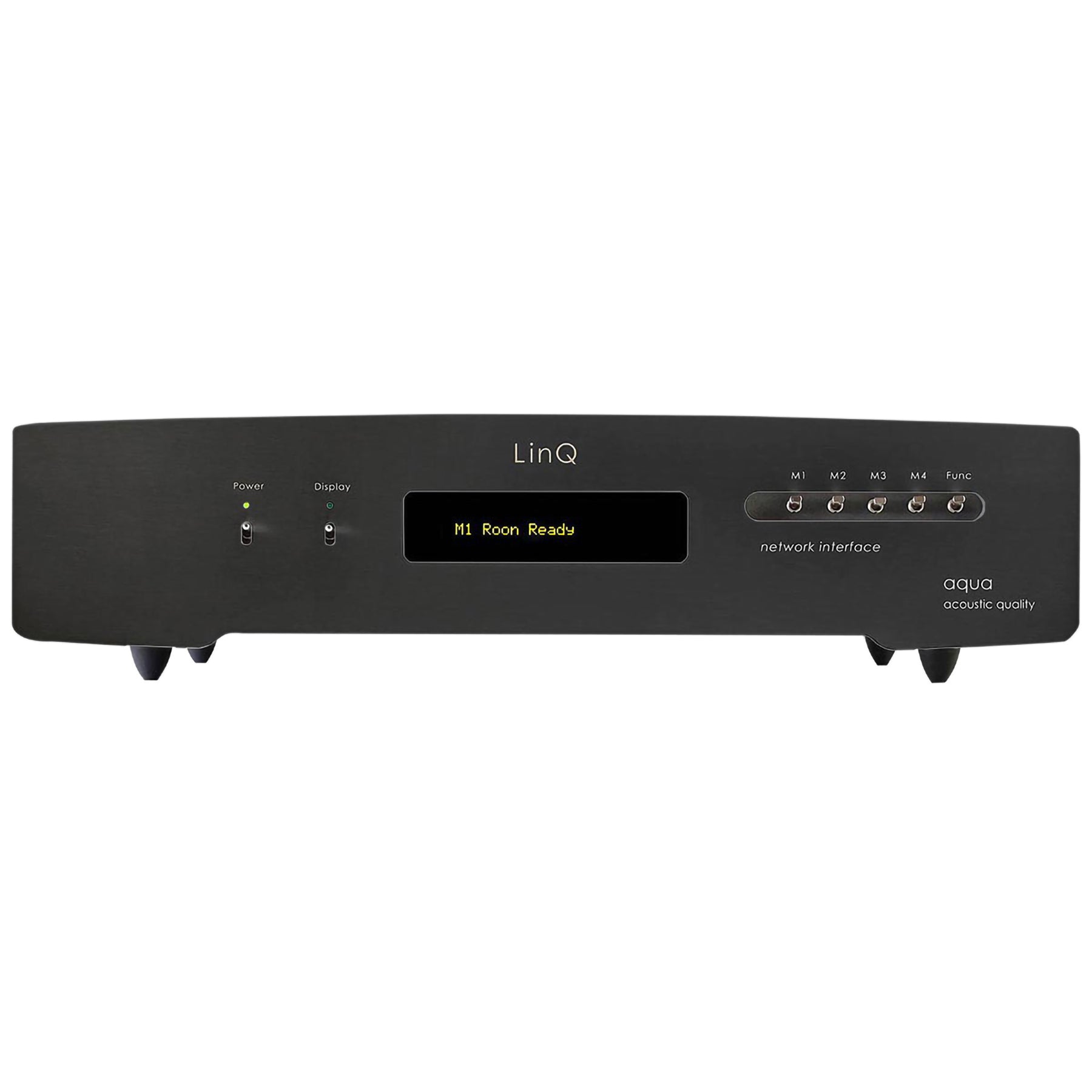
Manufactured in Italy, Aqua products are engineered around proprietary R2R ladder DAC architectures, modular digital platforms, ultra-low-noise power supply implementation, and the company’s highly individual Optologic circuit philosophy.
One of the defining technologies within Aqua DACs is their use of discrete R2R ladder conversion rather than conventional delta-sigma DAC chip designs. An R2R DAC uses a carefully matched network of precision resistors arranged in a ladder structure to convert digital information into analogue signal. Rather than aggressively processing and reconstructing the signal through heavy oversampling and noise shaping, the R2R approach focuses on preserving timing integrity, tonal density, and natural harmonic structure.
The result is often described as more analogue-like in presentation, with stronger tonal realism, smoother transient behaviour, and a greater sense of dimensional flow throughout the music. Vocals and instruments tend to sound more physically present and naturally textured, while the soundstage feels spacious, layered, and highly immersive.
The La Scala DAC has become particularly admired for this presentation, delivering remarkable musicality, tonal richness, and holographic imaging while maintaining excellent transparency and low-level detail retrieval. The Formula DAC expands even further upon this philosophy through increased resolution, scale, refinement, and dynamic realism, positioning it amongst the world’s most respected high-end digital playback systems.
Aqua’s La Diva top-loading CD transport also remains one of the most physically and sonically captivating digital transports currently available. The top-loading mechanism, precision construction, and highly refined transport architecture contribute to a presentation with exceptional image stability, timing precision, and remarkably expansive spatial realism. Combined with Aqua DAC platforms, the result can feel strikingly analogue and emotionally engaging despite remaining entirely digital in origin.
One of the most technically fascinating aspects of Aqua’s engineering is the company’s Optologic circuit design philosophy. Rather than connecting critical digital stages through conventional copper-based electrical signal paths, Aqua uses optical light transmission between sections of the circuitry itself. By isolating stages optically rather than electrically, the system dramatically reduces electrical noise contamination and interference throughout the signal chain.
This contributes enormously to the openness, blackness of background, spatial separation, and effortless musical presentation the brand has become known for. Music emerges from an exceptionally quiet and unconstrained space, allowing low-level detail, dimensionality, and emotional nuance to unfold with remarkable ease.