
Make an Offer

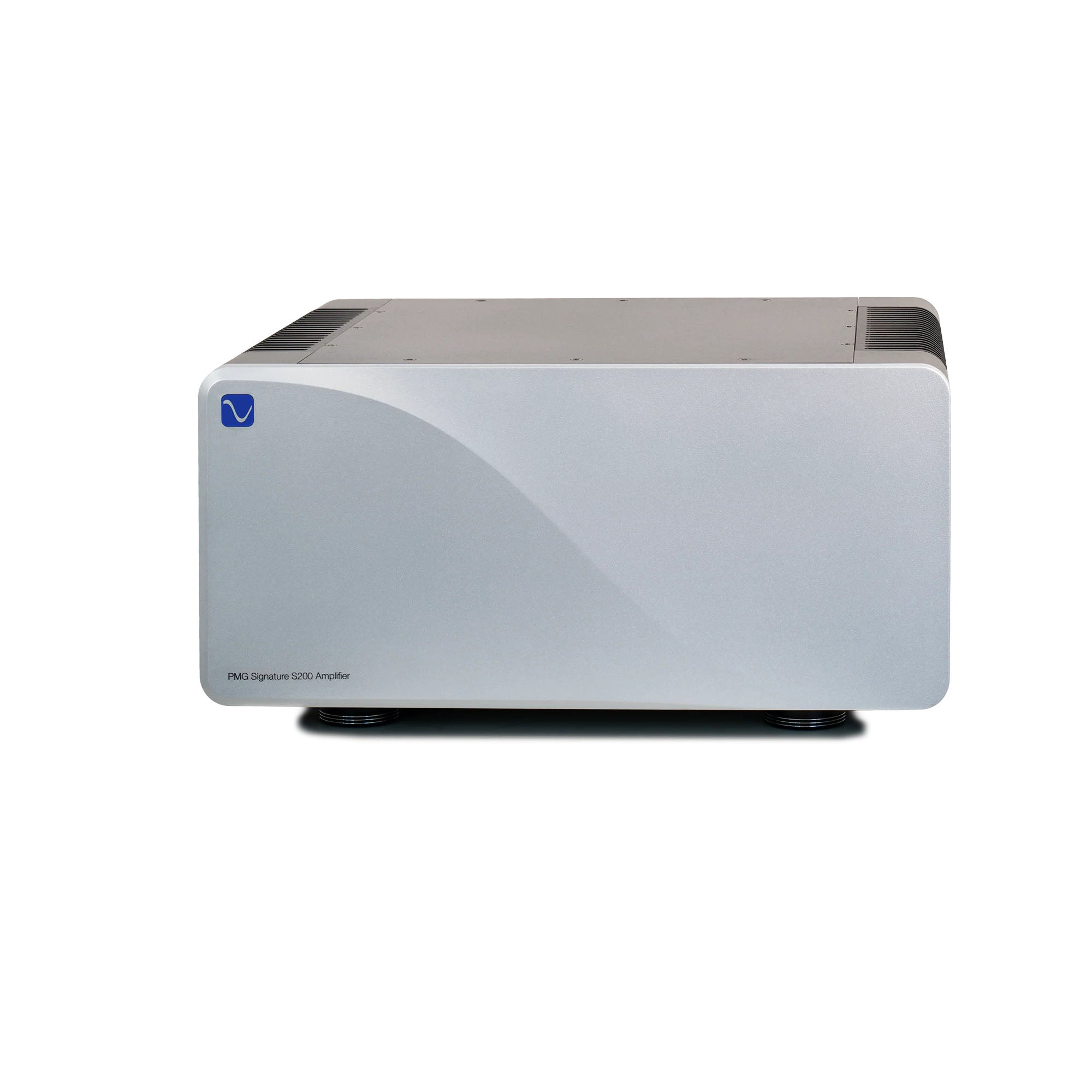
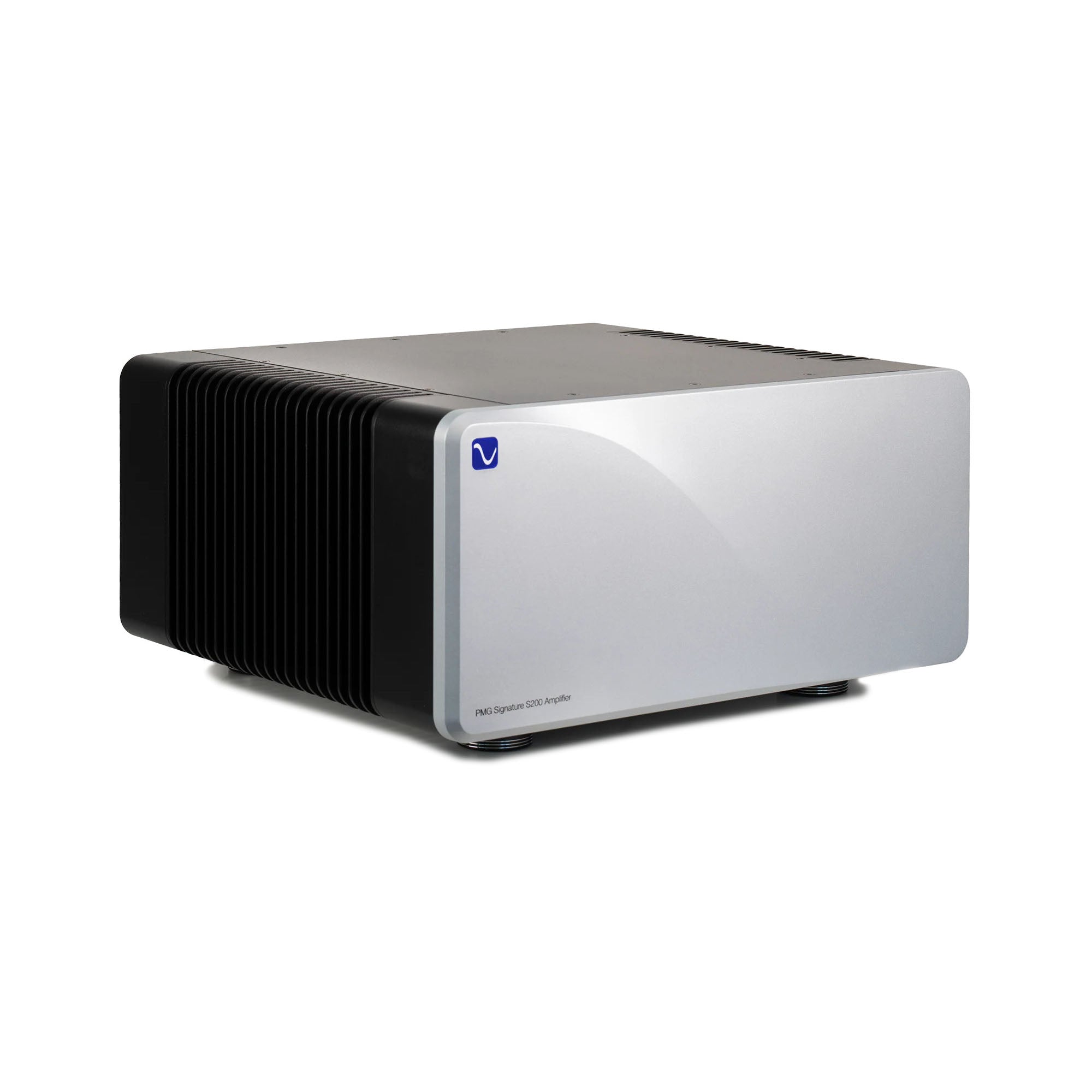
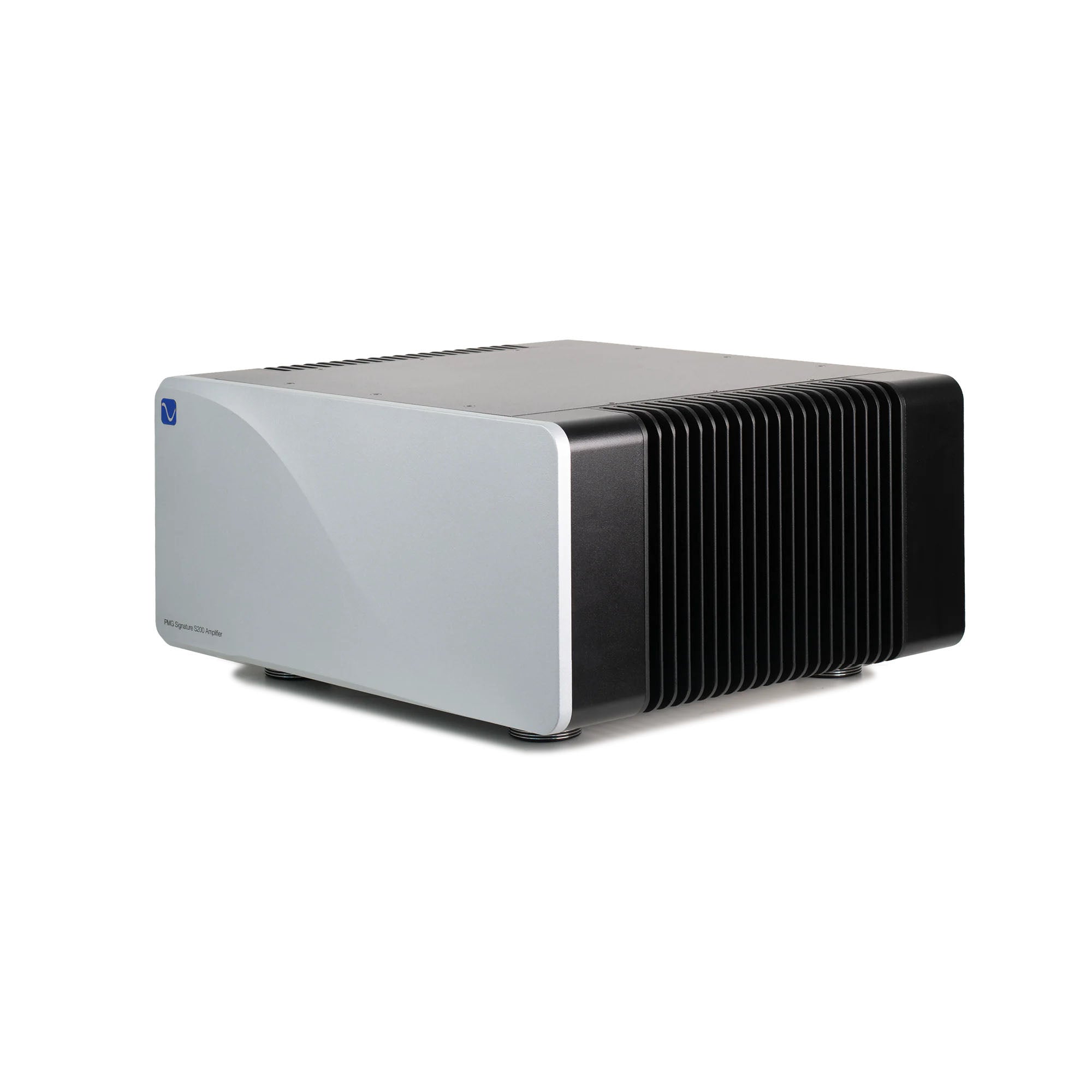
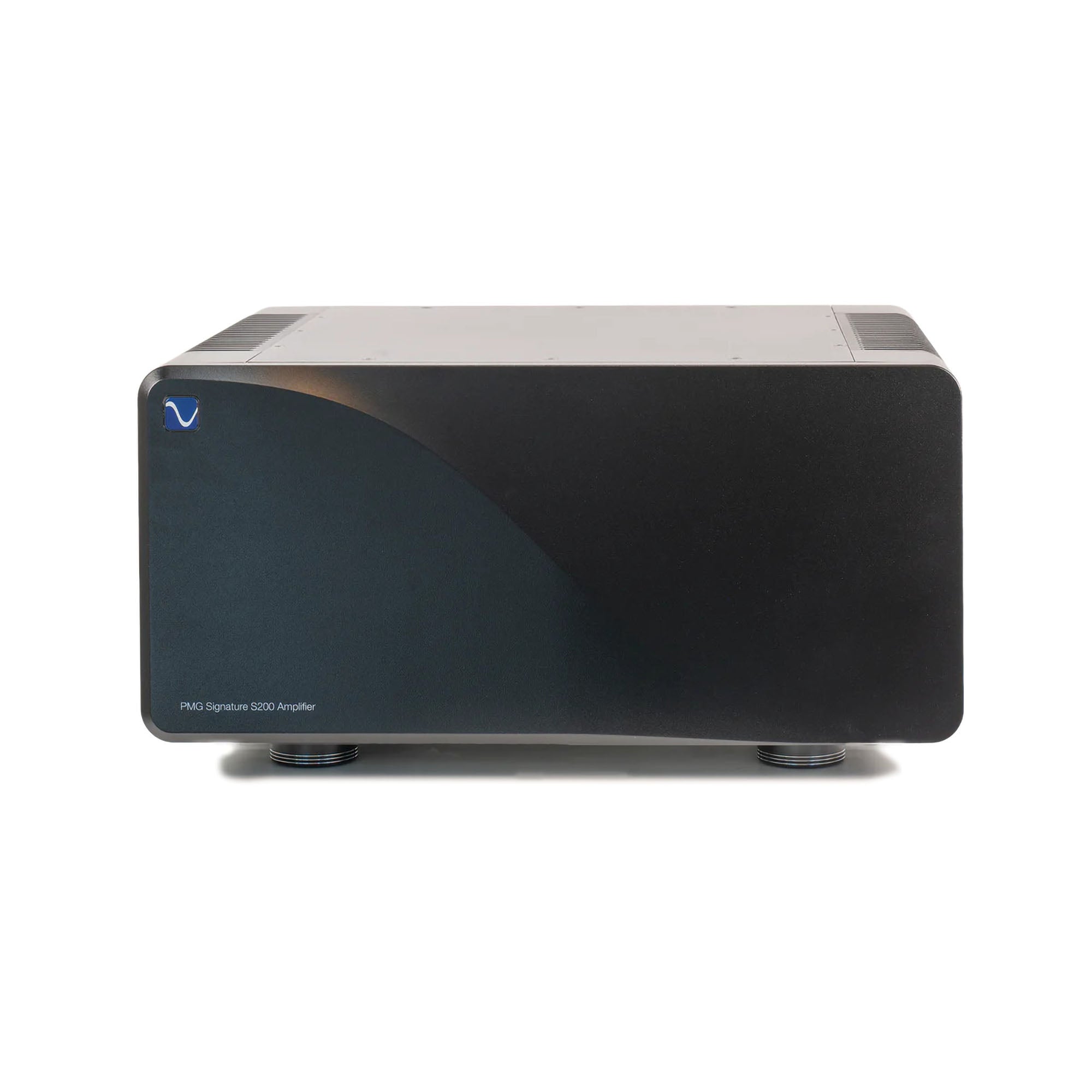
PS Audio PMG S200 Stereo Power Amplifier
Offer Submitted!
PS Audio
 USA
USA
PS Audio PMG S200 Stereo Power Amplifier




FREE DELIVERY AUSTRALIA WIDE
Every order ships free to any address in Australia via fully tracked, insured delivery. You’ll receive a tracking link once your order is dispatched so you can follow it the whole way. Estimated delivery is 1-4 business days.

3 Years Warranty
We handle your warranty so you don’t have to. If something isn’t right, simply get in touch and we will coordinate directly with the Australian importer on your behalf. Find out more. click here to lodge a warranty claim.

7-DAY EXPERT SUPPORT FOR YOUR PEACE OF MIND
Whether you’re browsing or already unboxing, Geoff is your friendly hi-fi guide available 7 days a week. From choosing the right system to setting up your new purchase, expert advice is always within reach. Contact Geoff today.

PRICE MATCH
Price is important, but building the right system synergy is equally so. If you’ve found a better price on one of our products or listings, simply get in touch with Geoff. Don’t let price stand in the way of working with HeyNow Hi-Fi to find the right result for your system.
Description
PMG S200 Stereo
The new S200 Stereo.
Where the PMG Signature journey begins. The full Signature topology, scaled for real rooms and real systems.
Every journey has a first step. In the PMG Signature Series, that step is the S200 — and it is a more serious one than its place in the lineup suggests.
It would have been easy to build an entry-level amplifier and lend it the Signature name. We didn't. The S200 is the complete PMG Signature topology — Darren Myers's low-feedback design and the same state-of-the-art active power supply architecture found throughout the line — scaled, not stripped, for the rooms and systems where the M400's reserves would never be tapped.
One hundred watts per channel into 8 ohms, doubling cleanly into 4. Ten watts of pure Class A bias per channel hold both channels in their most linear region through roughly twenty percent of typical listening. The same bandwidth beyond 500 kHz, the same 200-volt-per-microsecond slew rate, the same flawless square wave, the same flat distortion as its larger siblings.
For the listener building a reference system step by step, this is where it begins. For many, it will be everything they ever need. Designed by Darren Myers. Engineered by Bob Stadtherr. Hand-built in Boulder, Colorado.
Features 8 key features
- 100 watts into 8Ω per channel, doubling to 200 watts into 4Ω per channel
- 10W Class A bias per channel
- Slew Rate >200V/uS
- Bandwidth exceeding 500 kHz
- Strikingly low overall feedback architecture
- State-of-the-art active power supply
- Designed by Darren Myers
- Engineered by Bob Stadtherr
Design
The S200 is proof that "entry-level" and "compromised" are not the same word. It is the full PMG Signature topology — Darren Myers's low-feedback design and the same state-of-the-art active power supply architecture found throughout the line — scaled in output rather than stripped in concept. Nothing in the signal path was simplified to hit a price. It is hand-assembled in Boulder, Colorado, and brought to perfection by Bob Stadtherr, held to the same standard as every amplifier that wears the Signature name.
Application
The S200 is a single stereo chassis built for real rooms and real systems. One hundred watts per channel into 8 ohms, doubling into 4, is ample for efficient and moderately demanding loudspeakers — bookshelf monitors, stand-mounts, and full-sized floorstanders — in small to medium rooms. It is the ideal first step into the Signature Series, and for a great many listeners with sensible speakers in a dedicated space, it will prove to be the last amplifier you need.
Class A Purity
Most of what we call "high-end" amplification is, in truth, Class AB: a small region of Class A operation at low power, and then a transition — a handoff between transistors — as the music grows louder. That transition is not free. At the crossover point, distortion artifacts appear, and the music briefly crosses a discontinuity it was never meant to encounter. Class A operation eliminates that handoff entirely. Every transistor conducts through the whole waveform; nothing ever switches off.
The reason Class A is rare is cost. A Class A stage runs hot and consumes power continuously, even at idle, so most designs offer only a sliver of it. It is rare for a high-end amplifier to deliver even a single watt of true Class A before it slides into AB — and a great many that advertise "Class A" give the listener only a fraction of one.
The S200 dedicates 10 watts of pure Class A bias to each channel. In real-world listening — efficient speakers, sensible rooms, the levels at which music is actually enjoyed — that 10-watt window covers roughly 20% of typical listening, and nearly all of the low-level detail where the ear listens hardest. The S200 is the most accessible amplifier in the PMG Signature Series, but its commitment to genuine Class A is not an accessible-tier commitment. It is the same engineering conviction that runs through every Signature amplifier, scaled to the system it was built to serve.
Active Power Supply
There is a reason the most uncompromising amplifiers have always been monoblocks: one channel, one chassis, one power supply, and therefore nothing for that channel to fight with. A stereo amplifier gives up that isolation by definition — its two channels share a single power supply, and a demand from one can disturb the other. When a passive supply sags under a sudden current draw, both channels sag with it, and the stereo image pays the price.
The S200 is a stereo amplifier that refuses to pay that high price, and the reason is the supply at its heart. Its two channels share a state-of-the-art active power supply — but an active supply does not behave like a passive one. It delivers far cleaner power and far greater current on demand, and it holds its output stiffer than any traditional supply. A transient on one channel drags the supply down only minimally, so it hardly impacts the other. The sharing becomes, in practical terms, invisible.
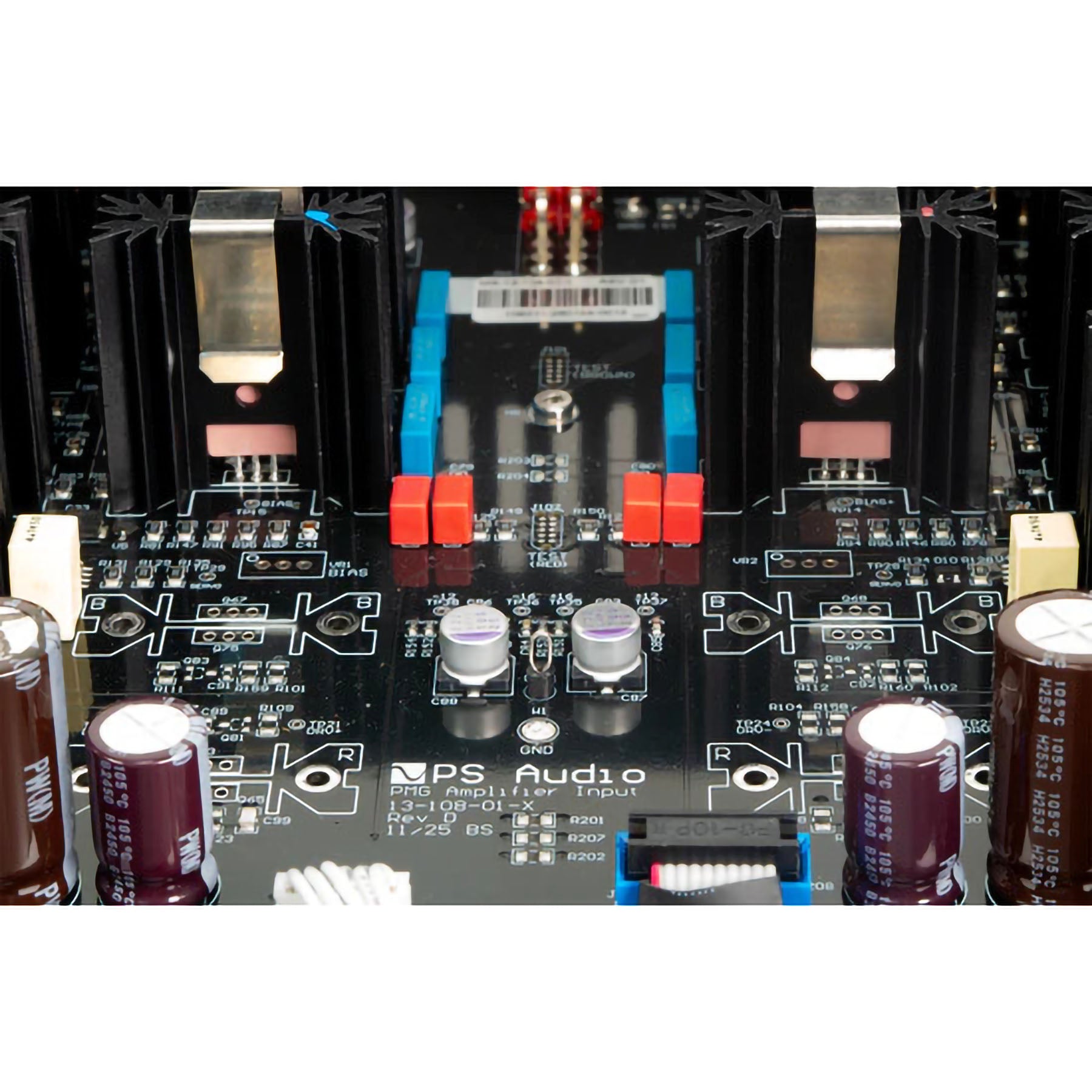
What the supply begins, Bob Stadtherr's engineering completes. Decades of experience went into the S200's internal layout — the grounding scheme, the placement of every stage, the mechanical structure — all arranged so the two channels stay electrically and magnetically apart. The result is a 100-watt-per-channel stereo amplifier, doubling cleanly into 4 ohms, whose channel separation approaches that of a true monoblock. The most accessible amplifier in the Signature Series gives up far less to its single-chassis form than its price suggests.
Output Stage
The final and most consequential choice in an amplifier's design is how much negative feedback to apply around its output stage. Feedback is a correction loop: it watches the output, compares it to the input, and cancels the difference. In large amounts it can push measured distortion on a steady test tone close to zero — an impressive specification. But music is not a steady tone. It is a continuous storm of transients, and a heavy feedback loop, forever reacting, is always a step behind it. The amplifier ends up chasing the music instead of passing it through cleanly, and the listener hears the difference as a loss of life and immediacy.
The S200 is designed on the same conviction as every amplifier above it in the Signature Series: keep overall feedback strikingly low. The output stage is made linear by design, not by correction, so distortion stays uniformly low across the entire audible band without a heavy loop scrubbing away after it. Bandwidth extends well past 500 kHz, and transients arrive whole.
The reward is the quality the entire Signature Series is named for: the amplifier disappears. At the S200's most accessible point of entry, nothing about that disappearing act has been diluted — the same musical priorities, the same engineering conviction, the same refusal to let the electronics be heard. Only the price of admission has changed.
Bench measurements
Independently verified across the tests that separate good amplifiers from great ones.

Distortion vs. Frequency
Distortion vs. Frequency — This measurement tracks total harmonic distortion across the entire audio band, from 20 Hz to 20 kHz, under four conditions: no load, 8 ohms, 4 ohms, and a punishing 2 ohms. The traces do vary — distortion climbs gently with frequency, and the hardest 2-ohm load runs highest — but the takeaway is simple. Even at its worst, the PMG's distortion stays a tiny fraction of one percent, far below the level of audability. Linearity held this tight, across every load, and achieved without adding negative feedback, is something perhaps one amplifier in a hundred can claim — which means distortion simply stops being part of the conversation.

Twin tone Intermodulation results
Twin tone Intermodulation results — Here the amplifier is fed two tones at once — 19 kHz and 20 kHz — and we look for everything it adds that shouldn't be there. An amplifier that isn't perfectly linear lets those two tones beat against each other and spawn entirely new frequencies that have no musical relationship to the original signal. Those added tones are precisely what the ear registers as harshness, grain, and listening fatigue. The PMG produces almost none — the spectrum is essentially just the two original tones and silence. That is the measurable fingerprint of sound that stays clean and natural no matter how dense or demanding the music becomes.

10kHz square wave response
10kHz square wave response — A square wave is the cruelest signal you can hand an amplifier; it demands instantaneous swings in output voltage. Reproducing one cleanly takes tremendous speed — measured as slew rate — and the PMG Signature series exceeds 200 volts per microsecond. You can see the result here: vertical edges, flat tops, no overshoot, no ringing. Real music is full of fast transients — the leading edge of a cymbal, the snap of a plucked string — and an amplifier too slow to follow them rounds those transients off and smears the detail. The PMG follows all of it. In fifty years of designing amplifiers, we have never measured a square wave this perfect.
Tech Specs
| Unit Weight | 56.2 lbs / 25.5 kg |
| Unit Dimensions | 16 in L × 17.5 in W × 8 in H (406.4 × 444.5 × 203.2 mm) With feet & binding posts: 16.75 in L × 17.5 in W × 8.75 in H |
| Shipping Weight | 68 lbs |
| Shipping Dimensions | 23.5 × 23 × 15 in / 596.9 × 584.2 × 381 mm |
| Input Power | Auto Voltage: 120VAC or 230VAC, 50 or 60 Hz |
| Power Consumption | Standby (Ready): <2W | Idle: 180W | 25W/4Ω: 360W |
| Fuses | No user serviceable fuses |
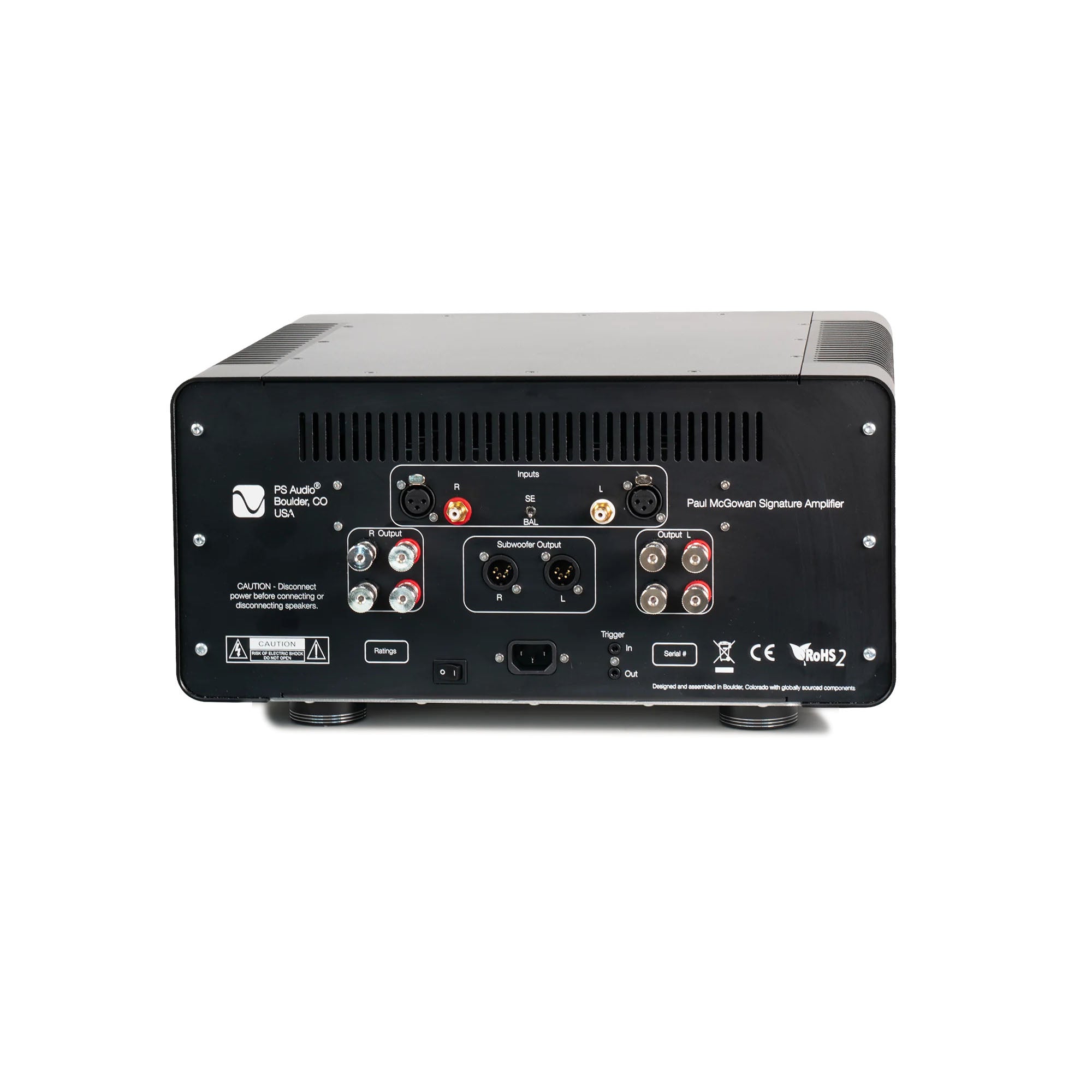
| Audio Inputs | RCA (Single-ended): 1 pair | XLR (Balanced): 1 pair |
| Speaker Outputs | Silver Plated Binding Posts: 4 pair |
| Trigger | Input: 3.5mm, 5–15VDC | Output: 3.5mm, 12VDC |
| Gain | 26.2 dB |
| Sensitivity | 1.4V |
| Power Output | 100W/ch into 8Ω, 200W/ch into 4Ω (1kHz, <1% THD) |
| Class A Power Output | 10W/ch into 8Ω |
| Frequency Response | <10Hz – 80kHz (±0.25dB) |
| Input Impedance | 100kΩ Single-ended | 200kΩ Balanced |
| Bandwidth | >500kHz |
| THD | <0.002% typical (20Hz–20kHz, 1W/8Ω) |
| Damping Factor | >240 at 8Ω (20Hz–1kHz) |
| Crosstalk | >90dB at 1kHz |
Customer Reviews
User Reviews
Industry Reviews
Warranty Information
 3 Years Warranty
We care about your experience with HeyNow Hi-Fi, and we’re here to make the warranty process as smooth as possible.
Your warranty is handled directly by the Australian importer. By submitting this form, we’ll coordinate the process for you and keep you updated every step of the way. Important: Shipping fees are not included as part of your warranty coverage.
If your HeyNow Hi-Fi purchase isn’t working as it should, click here to lodge a warranty claim.
Should you have any questions, feel free to contact us https://www.heynowhifi.com.au//pages/contact

Why Choose PS Audio
Signature Design and Sound
PS Audio Product Range
Featured Categories


WHY CHOOSE HEYNOW HI-FI?
At HeyNow Hi-Fi, it's not just about the gear - it's about how it all comes together. With over 30 years of experience, Geoff provides personalised, expert advice to help you build a system that suits your music, your space, and listening style.
Whether you're starting from scratch, refining your set up, or upgrading your gear, Geoff is always happy to have a chat. Call or book a private consultation directly with Geoff today.